We support several other secondary processes that are associated with machining to achieve the final product specifications.
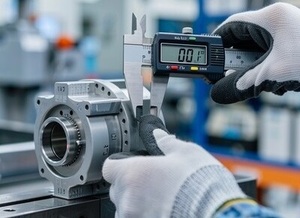
Inspection and Quality Control
Measuring finished parts to ensure they meet the dimensional accuracy and tolerance requirements specified in engineering drawings.
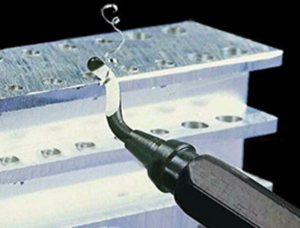
Deburring
Removing the rough edges or burrs left by cutting operations to improve safety and function.
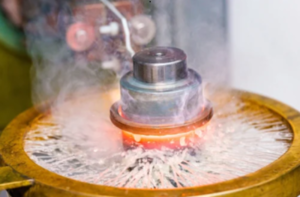
Heat Treatment
Modifying the material’s properties (e.g., hardness, strength) before or after machining.
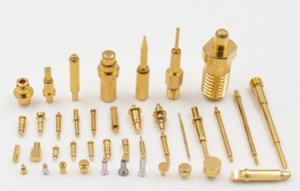
Surface Finishing
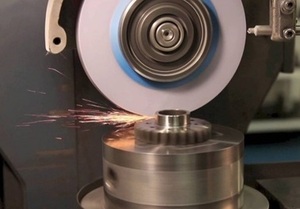
Applying coatings or polishing (e.g., anodizing, powder coating, honing, lapping) for aesthetic appearance, wear resistance, or specific functional requirements.
Abrasive Blasting
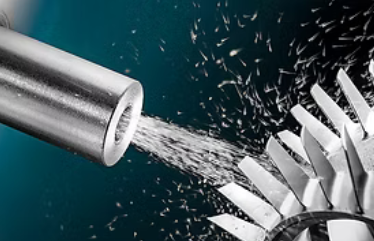
Abrasive blasting is using pressurized air or water to propel abrasive media against a surface to remove coating, corrosion, or contamination. Also known as sand blasting, grit blasting, or media blasting, abrasive blasting.
Cleaning
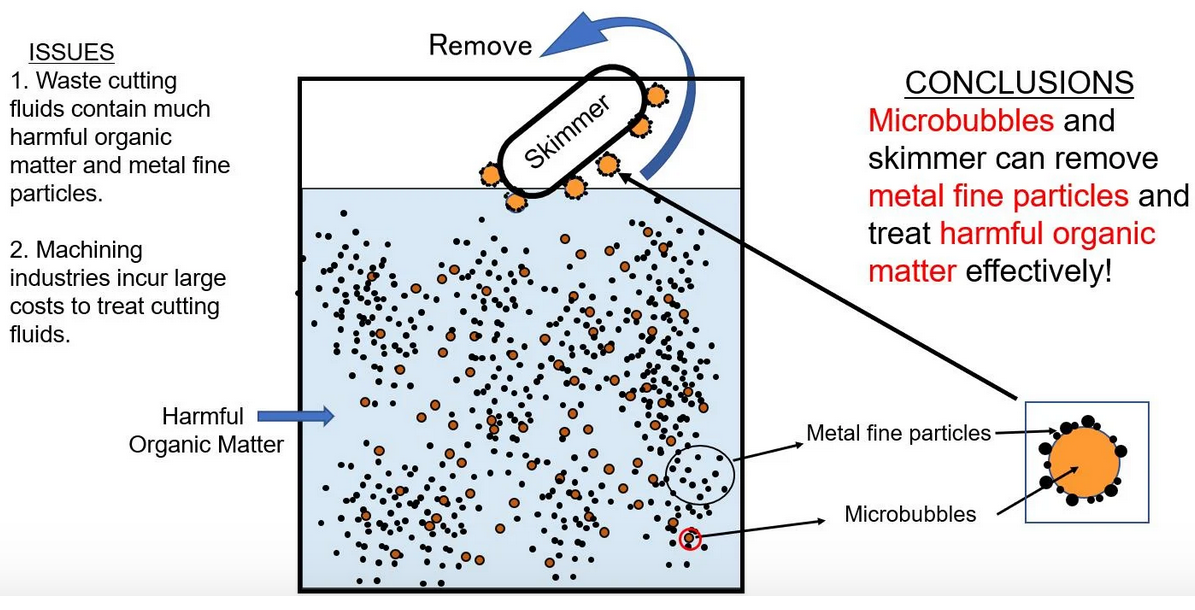
Washing the parts to remove cutting fluids, chips, and debris.
Assembly
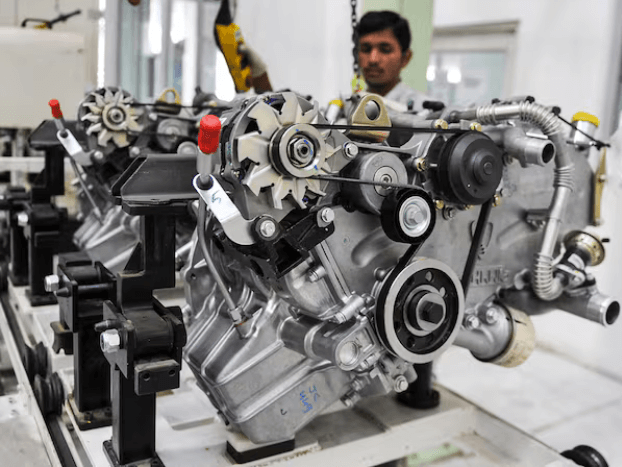
Combining machined parts with other components to form a final product.
Computer-Aided Design (CAD) and Manufacturing (CAM)
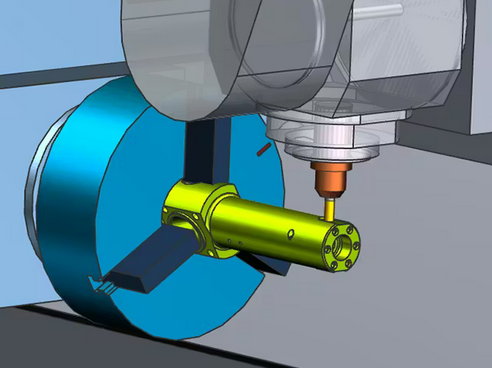
The digital design and programming (e.g., G-code for CNC machining) that controls modern machine tools.
Buffing vs Polishing
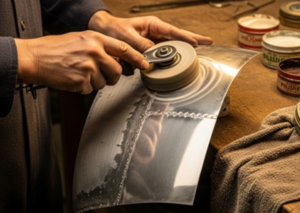
Buffing is the process of smoothing or shining a surface using a rotating pad or wheel with an abrasive compound applied. It removes scratches, swirls, and other cosmetic issues from metal, plastic, wood, and even paint to create a smoother finish.
The main difference between buffing and polishing is that buffing removes scratches, marks, and oxidation while polishing creates a glossy, reflective finish using a smoother abrasive.
Mechanical Finishing
Uses physical forces like friction, pressure, and motion to alter a material’s surface for improved aesthetics, texture, durability, and performance, rather than relying solely on chemicals, applying to textiles (napping, sanding) and metals (grinding, polishing, tumbling) to create effects from smooth and lustrous to matte or textured finishes, enhancing properties like corrosion resistance, feel, and visual appeal.
Non-Traditional (Advanced) Machining Processes
These methods use different forms of energy and are often employed for hard-to-machine materials, complex geometries, or when very high precision is required.
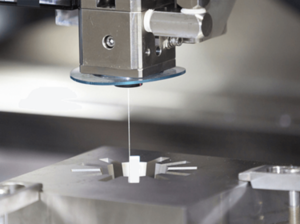
Electrical Discharge Machining (EDM)
Uses controlled electrical sparks to erode material from an electrically conductive workpiece. It is suitable for intricate shapes and hard materials.
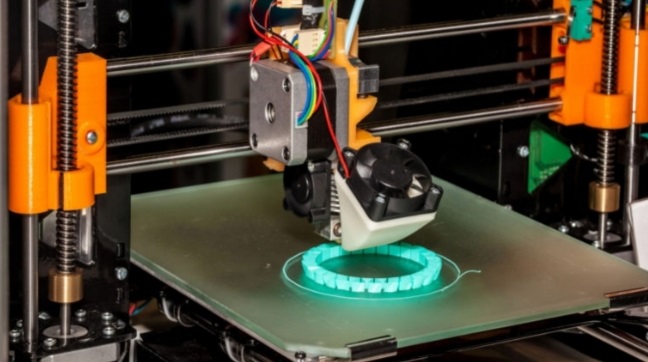
Additive Manufacturing
The process of applying 3D-printing to industrial production that allows materials to be created without joints and with minimal post-processing. Multiple materials can be used during this process, which makes it easy to create new products with minimal waste and lower materials costs. process, which makes it easy to create new products with minimal waste and lower materials costs.